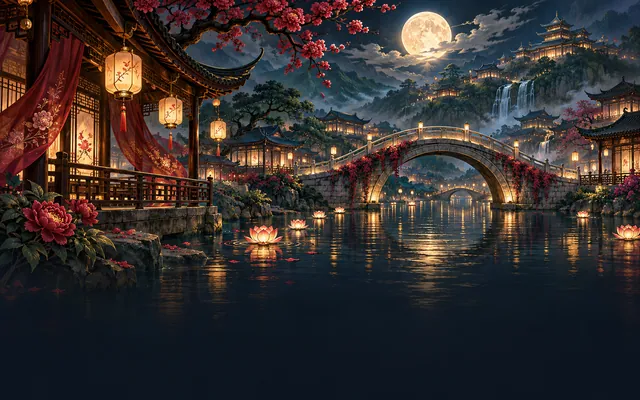
Moonlit Lantern Reverie
Lead a quiet riverside lantern walk; use enclosed battery lights and stay on the path.
 NOTELORIA
Create a lantern gathering invitation with dress, activities and release rules.
Generate eight candidates, edit a name, then select Use This Name. Names are not trademark-cleared.
Initializing local storage…
Edit directly in any result before saving, copying or downloading.
A lantern-themed invitation needs more than a beautiful evening name. Guests must know whether they are walking a route, visiting a market or gathering for a seated event. This generator helps hosts of ancient-inspired community evenings, costume walks and private celebrations put that distinction into words. Festival Style and Activity Type describe the occasion; Lantern Theme adds imagery without replacing practical instructions. The results bring together a festival invitation, short message, dress guidance, meeting instructions and reminder in three editable arrangements. Unlike the forest celebration tool, this page gives specific space to lantern activity and release rules. You can name the host, address a particular guest group, enter the schedule and location, and explain how lights will be used. The setting is creative inspiration, not a claim about an official festival tradition. Permissions, weather decisions and route approval must come from the actual organizer.
Give the exact entrance and a recognizable meeting time. Say whether the invitation is for a coordinated visit or simply a suggestion to meet among the stalls.
Explain whether guests watch installed lights or bring approved decorations. “Meet beside the visitor center” is more useful than naming an unmarked stretch of river.
Prepare the route, footwear advice and finish point. Invite guests to walk together, and tell anyone joining late how to contact the host.
State that the event is indoors even if its name evokes a moonlit festival. Describe the actual lighting and seated activities so guests do not plan for an outdoor walk.
Use Festival Style and Activity Type to distinguish a market visit from a walk or indoor gathering. Lantern Theme supplies the visual idea. These are descriptions, not permissions for any lighting activity.
Enter Host and Guest Type so newcomers understand who is coordinating the group. A broad invitation to neighbors needs simpler context than a message to an established costume club.
Write the actual date, time and Location, including a specific entrance when useful. If the route or meeting point is unsettled, leave it blank while drafting and confirm it before sending.
Use Dress Style for clothing or footwear guidance and Lantern Release Rules for the organizer-approved light policy. Put the route or weather-update plan in Special Notes; no separate weather service is provided.
Try a seasonal Name Color Motif and a calm Naming Mood when exploring lantern names. Name Guest or Character Role adds audience context. These affect suggestions, not the lighting policy, route or permission to release anything.
Add the reply instruction in RSVP, select or enter an event name, and choose Tone and Length. Review the meeting and reminder sections as carefully as the themed opening.
For a busy night market, write “Meet outside the north visitor-center doors at 6:15 pm.” A named landmark and entrance let guests find the group without interpreting a poetic location such as “where the moon touches the river,” especially after dark or in a crowd.
Late arrivals need to know when the group leaves. Try “Gather at 6:15; the walk begins at 6:30.” Two short clauses are easier to act on than “Join us around sunset,” and they help the host avoid waiting indefinitely without an agreed departure time.
For a decorative evening, say “Enclosed battery lanterns only; no releases are planned.” This identifies the activity guests can prepare for. Do not copy atmospheric wording about floating wishes into practical instructions unless the venue has actually approved the proposed activity and its conditions.
At a lantern walk, “Festive layers and shoes suitable for the agreed route are welcome” is more useful than “ancient elegance required.” Guests can retain the theme while considering temperature and movement, and no one has to infer that a floor-length costume is essential.
A host might write “We will confirm the outdoor plan in our group message by 3 pm.” That gives people a decision point without promising a weather outcome. Include only an agreed fallback; a lovely indoor alternative is not real simply because the invitation mentions it.
You are invited to the Moonlit Willow Walk on May 18. Meet at the north visitor-center entrance at 6:15 pm; enclosed battery lanterns only. Please reply by May 10.
Join us for lanterns and a gentle evening stroll. We gather at 6:15 and leave at 6:30; comfortable shoes are welcome alongside your festival colors.
Follow the lantern glow through our imagined old-town evening. Our real meeting point is Cedar Hall’s north door; the moon may wander, but our group leaves at 6:30.
A lantern theme does not authorize flames or releases. Replace ambiguous promises with the confirmed venue rules in Lantern Release Rules.
A river or garden may have several access points. Give a specific meeting landmark and identify the departure time separately.
“Weather permitting” does not tell guests when to check. Include the host’s actual update channel and decision time in Special Notes.
Do not present invented lore as an authentic festival custom. Describe your own gathering and explain any participation rather than assuming cultural knowledge.
Yes. State the indoor setting in Festival Style or Activity Type and provide the actual room in Location. Remove walk instructions that do not apply.
Add a concise route and finish point in Special Notes. Location should still identify the initial meeting point, not merely the broader area you intend to visit.
No. Lantern Release Rules repeats the policy you supply. Obtain the relevant organizer and venue instructions yourself; the generator does not establish permission.
Use Lantern Theme for imagery such as spring blossoms or a winter moon. Keep the actual date and any clothing advice separate so decorative language does not obscure practical planning.
Generate a draft and edit it to state exactly what changed. Keep the original event name recognizable and give the confirmed new meeting arrangements, rather than an unexplained replacement invitation.
Lead a quiet riverside lantern walk; use enclosed battery lights and stay on the path.
Meet beside the crimson river bridge; lantern release is prohibited by the event plan.
Gather at the silver willow gate; provide a recognizable host sign for newcomers.
Invite families to an early evening fair; give an end time before the venue closes.
Celebrate nine moon motifs with a gallery-style route; guests may join at the first checkpoint.
Use jade bridge as a meeting landmark only; do not block pedestrian access.
Write wishes for a tabletop lantern display; nothing is released into the river.
Host a phoenix-colored indoor lantern gala; costumes must fit through normal doorways.
Walk through an ancient-town-inspired set; confirm photography boundaries with the venue.
Offer a winter lantern viewing indoors; announce any travel-related cancellation through the reply channel.
Compose a sect feast invitation with guest identity, ceremonial dress and a reply request.
Open generator →Invite cultivators to a trial with registration, entry requirements and participant notices.
Open generator →Prepare an alliance notice with purpose, delegates, documents and attendance confirmation.
Open generator →