Silver Fox Spirits Gathering
Invite silver-fox spirits to trade original character introductions; no official lore is required.
 NOTELORIA
Gather mythical characters with costume, prop and identity introductions.
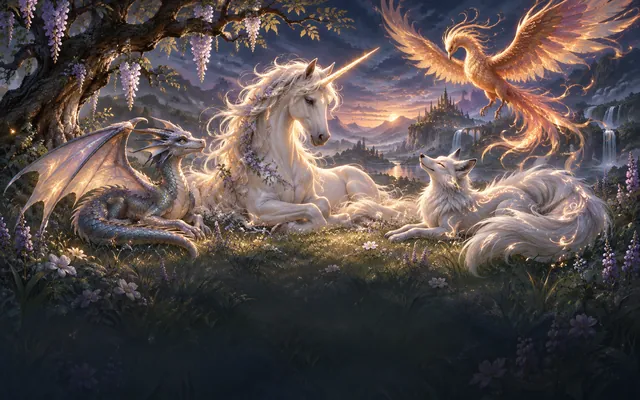
Generate eight candidates, edit a name, then select Use This Name. Names are not trademark-cleared.
Initializing local storage…
Edit directly in any result before saving, copying or downloading.
A gathering of mythical characters needs room for different identities without turning the invitation into a list of unrelated creatures. This generator helps fantasy clubs, roleplay hosts and costume groups describe a shared occasion for dragonkin, fox spirits, phoenixes, unicorns and other imagined guests. Creature Type establishes a motif, while Character Identity can preserve a guest’s own name and role. The results include an invitation, identity introduction, costume guidance, prop notice, reply section and reminder across three editable versions. Unlike the dedicated cosplay meetup tool, this page emphasizes the imagined realm and gathering rather than a structured group photography plan. You can define the host, audience, event name, schedule, clothing and props, then use Special Notes for group arrangements or interaction preferences. The character labels are creative prompts, not official species rules or licensed identities. Real venue access, costume dimensions and individual consent still need an organizer’s confirmation.
Prepare the shared activity and invited group. Explain that several identities are welcome rather than making one selected creature type sound compulsory for all attendees.
Give the character introduction and story format. A short welcome can invite a tale without demanding a performance from every guest or asserting folklore as fact.
Collect practical clothing and prop descriptions before announcing poses or movement. Emphasize the real space available instead of assuming wings, tails or large armor will fit.
Use an original realm name and each person’s preferred identity. Explain how guests introduce themselves and which interactions are optional, particularly when the group has new members.
Select Creature Type and describe Realm Name and Gathering Type. For mixed identities, explain that variety in the gathering description; a selected motif need not become a rule for every guest.
Enter Host and Guest Type, then give the desired name or identity in Character Identity. Use your own text for an original character; the tool does not authenticate published identities or affiliations.
Write observable Costume Requirements and venue-approved Prop Requirements. Unknown limits can stay blank while drafting, but ask the organizer before describing a prop as permitted.
Add the schedule, real Location and RSVP instruction. Group size, photo preferences and interaction boundaries belong in Special Notes because this form has no separate photography or team-size controls.
Name Guest or Character Role can describe a mixed creature welcome without changing Character Identity. Name Color Motif and Naming Mood add naming imagery. Review the chosen title so it does not imply every guest shares one creature type.
Choose an original or custom event name, then generate with the appropriate Tone and Length. Check that the identity introduction represents the intended character and that the prop notice fits the actual gathering.
For a mixed group, write “Guardians from different imagined realms are welcome for introductions and stories.” A shared activity gives the invitation coherence. Without it, a list of dragons, phoenixes and fox spirits says little about what a guest should prepare or how the characters will meet.
A guest might introduce themselves as “Mosslight, a traveling fox spirit.” Use that wording rather than replacing it with a grander title that changes the character. A concise name and role help others address the person comfortably without requiring knowledge of an established fictional world.
For a room-based meetup, “Please tell the host about wings, tails or accessories needing extra space” invites useful preparation. It is better than promising unrestricted costumes. The organizer can discuss actual access and seating instead of discovering an unexpected obstacle after everyone has arrived.
Write “Character greetings and posed photographs are optional; ask each participant first.” This is useful when roleplay may involve approaching, touching props or adopting a dramatic pose. The invitation can establish a considerate expectation without assuming that agreeing to attend authorizes every kind of interaction.
“Meet at the west entrance at 4 pm; tell Rowan your chosen character name” works for a first gathering. Put realm imagery in the welcome and keep the action ordinary. Guests can then find the group even if they are still learning the setting or using a different character tradition.
Realm visitors are invited to the Guardian Gathering on May 18 at 4 pm in Cedar Hall. Please confirm your chosen identity and discuss large costume pieces with the host beforehand.
Bring your fox spirit, dragonkin or other imagined traveler for a relaxed round of introductions. Roleplay and photos are optional; asking before interacting helps everyone feel comfortable.
The Moonfang welcome circle has room for feather, scale and silver tail alike. Our shared quest is conversation; meet at the west entrance at 4 pm and tell Rowan your name.
Use Gathering Type and Special Notes to welcome a mixed group, then edit any collective wording that wrongly assigns the selected creature identity to all recipients.
Do not assume a creature theme requires a particular behavior or costume. State the actual participation expectation in ordinary language.
The tool repeats Prop Requirements; it cannot inspect an item or confirm venue permission. Direct uncertain cases to the real organizer before attendance.
Add a clear consent request in Special Notes. Guests may attend while declining roleplay, photographs or public posting, and those choices should remain distinct.
Yes. Character Identity accepts the preferred name and role. Review the generated introduction to ensure that it does not imply a published affiliation or change the guest’s character.
Describe the mixed gathering explicitly and use Guest Type for the addressed group. Edit the collective invitation so the single Creature Type choice is a motif rather than an unwanted restriction.
Use Special Notes for the agreed plan and consent expectations. For detailed group size and photo-location fields, the Elf & Fantasy Cosplay Meetup generator is a closer match.
It supplies themed communication, not an authoritative guide to mythology or a franchise. Explain your own setting and avoid presenting invented customs as established facts.
Yes. Review the reminder section and edit it to repeat the agreed arrival and costume requirements. Do not add new restrictions late without making the change explicit.
Invite silver-fox spirits to trade original character introductions; no official lore is required.
Gather dragonkin in a wide meeting space; ask guests to report tail and wing dimensions.
Welcome unicorn characters to a meadow-themed indoor celebration; avoid real animal participation.
Assemble ancient-woods keepers for collaborative storytelling; agree on narrative boundaries first.
Invite phoenix characters to a dawn-colored gathering; create flame effects with fabric only.
Host crystal-serpent characters beside a moon display; keep long costume pieces secured.
Bring mixed celestial beasts together; label quiet areas for guests who need a break.
Gather moonfang guardians for a group portrait; each participant can opt out of publication.
Invite griffin characters to a skywatch scene; all posing stays on ground level.
Welcome mermaid characters to a crystal-cove set; no water entry or swimming is part of the event.
Invite guests to an elven court with royal hosting, colors and court etiquette.
Open generator →Announce a seasonal forest celebration with guest roles and care for the setting.
Open generator →Write a fairy tea invitation with garden details, dress colors and food notes.
Open generator →